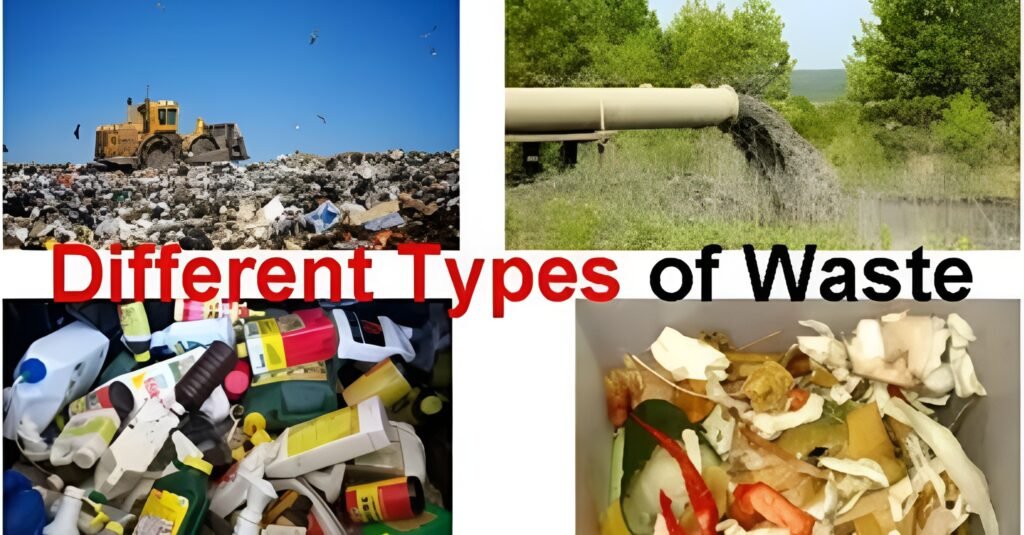
,Not all trash is created equal.
Some waste rots, some burns. Some leach toxins into soil. And some can be turned into something valuable again.
Treating everything the same creates massive problems. Environmental damage. Health hazards. Wasted money. Legal violations.
Understanding what you’re dealing with changes everything. The right approach for each category protects people, saves resources, and keeps you compliant.
Here’s what you need to know.
Why Knowing Your Waste Categories Matters
Dumping everything together is the easiest option. It’s also the worst. To understand why, consult any comprehensive resource, like a complete waste management guide. Mixed waste can’t be recycled effectively.
Hazardous materials contaminate entire loads. Organic matter creates methane in landfills. Valuable resources get buried forever.
Separating types of waste in Buda, TX at the source makes disposal easier, cheaper, and safer. It opens doors to recycling programs, and it reduces environmental impact. It keeps your operation legal.
Start by identifying what you generate. Then handle each category correctly.
Municipal Solid Waste: The Everyday Stuff
What It Includes
General household trash. Packaging materials. Broken household items. Non-recyclable plastics. Disposable products.
This is the stuff heading to landfills when nothing else can be done with it.
Best Management Approach
Use appropriately sized containers based on generation rates. Schedule regular pickups to prevent overflow. Compress when possible to maximize space. Screen out recyclables before disposal.
Most municipal programs handle this waste stream automatically. But reducing volume through better purchasing decisions saves money long-term.
Recyclable Materials: Hidden Value in Your Trash
Common Recyclables
Paper and cardboard. Aluminum and steel cans. Glass bottles and jars. Plastic containers marked 1, 2, and 5. Certain electronics and metals.
These materials can become new products instead of taking up landfill space.
Proper Handling Methods
Rinse containers to remove food residue. Flatten cardboard to save space. Keep materials dry and uncontaminated. Separate by type when required.
Single-stream recycling makes participation easier. Check local guidelines for accepted items. One wrong item can contaminate an entire batch.
Implementing effective waste management methods for recyclables reduces disposal costs significantly while supporting environmental goals.
Organic Waste: Nature’s Opportunity
What Qualifies
Food scraps and kitchen waste. Yard trimmings and grass clippings. Leaves and branches. Untreated wood materials. Compostable paper products.
This category represents huge potential if handled correctly.
Smart Disposal Solutions
Composting transforms waste into valuable soil amendment. Municipal programs often collect yard debris separately. Food waste can be processed through anaerobic digestion. Some operations maintain on-site composting systems.
Organic waste disposal shouldn’t mean sending nutrients to landfills where they create methane. Diversion programs turn problems into resources.
Restaurants, landscapers, and food processors benefit most from dedicated organic programs. But even small households can participate through backyard composting or curbside collection.
Hazardous Waste: Handle With Serious Care
Dangerous Materials
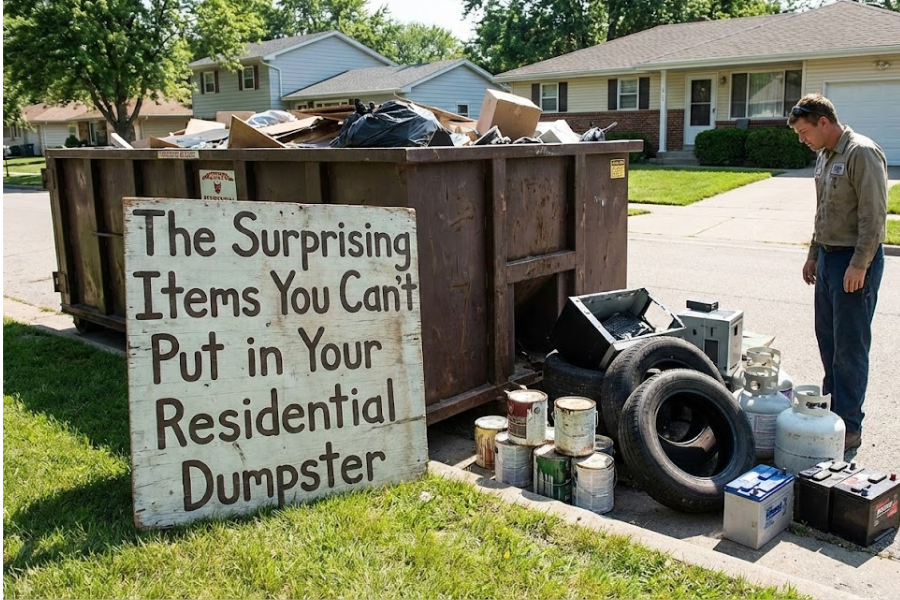
Household chemicals and cleaners. Paint and solvents. Batteries of all types. Motor oil and automotive fluids. Pesticides and herbicides. Fluorescent bulbs containing mercury.
These items require special handling. Period.
Required Procedures
Never mix hazardous materials with regular trash. Store in original containers when possible. Label everything clearly. Use designated collection events or facilities.
Many communities offer drop-off locations year-round. Some hold special collection days quarterly. Businesses generating significant quantities need licensed haulers and proper manifests.
Improper disposal creates environmental disasters and legal nightmares. Getting this right protects groundwater, soil quality, and public health.
Construction and Demolition Debris
What This Covers
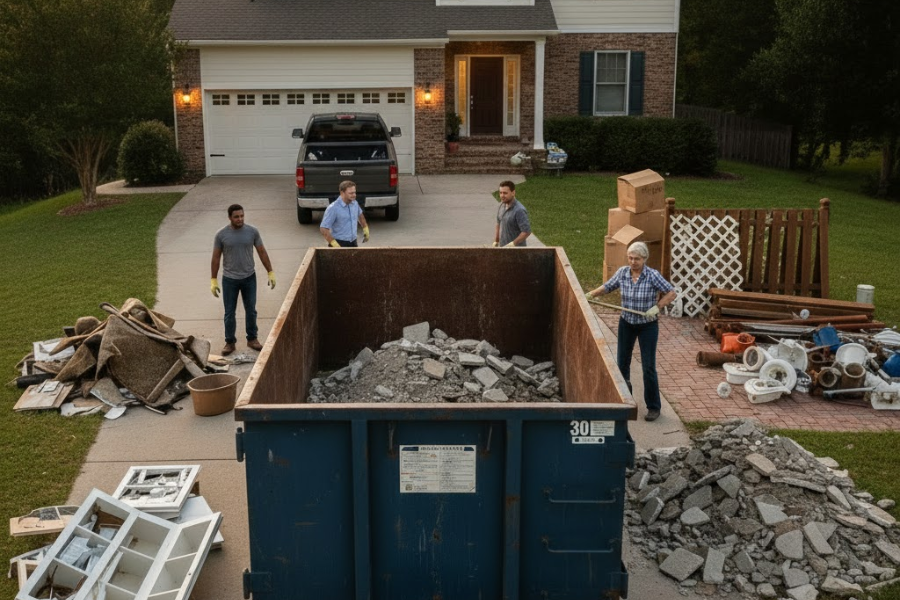
Lumber and framing materials. Drywall and insulation. Concrete, brick, and stone. Metal fixtures and wiring. Roofing materials. Windows and doors.
Renovation and construction projects generate massive volumes quickly.
Effective Management Tactics
Rent roll-off containers sized for project scope. Separate metals for scrap value. Divert clean wood for reuse or mulching. Recycle concrete into aggregate. Donate usable fixtures and materials.
Many types of waste in Buda, TX construction projects can be diverted from landfills. Salvage operations accept quality materials. Recycling facilities process concrete and asphalt. Metal recyclers pay for copper, aluminum, and steel.
Planning disposal before starting work prevents last-minute scrambling and reduces project costs.
Electronic Waste: The Growing Challenge
E-Waste Items
Computers and monitors. Phones and tablets. Televisions and gaming systems. Printers and peripherals. Small appliances with circuit boards.
Technology contains valuable materials. It also harbors toxic components.
Responsible Disposal Options
Manufacturer take-back programs accept old devices. Certified e-waste recyclers extract valuable metals safely. Donation programs refurbish working equipment. Retailer trade-in offers provide credit toward upgrades.
Never toss electronics in regular trash. They contain lead, mercury, and other harmful substances. They also hold recoverable gold, silver, and copper worth recycling.
Medical and Biohazard Waste
Sensitive Materials
Needles and sharps. Contaminated bandages. Lab specimens. Pharmaceutical waste. Bodily fluids.
Healthcare facilities, veterinary clinics, and even home medical users generate these materials.
Strict Handling Requirements
Use puncture-resistant sharps containers. Never overfill collection vessels. Engage licensed medical waste haulers. Follow state and federal tracking requirements. Maintain disposal documentation.
This category involves serious regulatory oversight, and violations carry heavy fines and potential criminal charges. For facilities that rely on Waste Management Services in Buda, TX, following proper waste management methods for biohazards isn’t optional, it’s a legal mandate.
Industrial Waste: Sector-Specific Challenges
Variable Materials
Manufacturing generates scrap metal, chemical byproducts, and packaging waste. Food processing creates organic sludge and wastewater. Automotive shops produce used oil, filters, and tires.
Each industry has unique waste profiles requiring customized solutions.
Tailored Approaches
Work with specialized haulers familiar with your industry. Implement source reduction to minimize generation. Explore waste-to-energy options when available. Document everything for regulatory compliance.
Industrial operations benefit from waste audits that identify reduction and diversion opportunities. What seems like disposal cost might actually represent recoverable value.
Building Your Management System
Effective handling starts with identification. Walk your property or operation. List everything you throw away. Categorize each stream.
Then match each category to appropriate waste management methods. Set up clearly labeled collection points. Train everyone involved. Monitor compliance regularly.
The more you separate at the source, the better your outcomes. Mixed waste limits options. Clean streams open possibilities.
Review your system quarterly. As operations change, waste profiles shift. Staying current keeps your program effective and compliant.
Understanding the types of waste Buda, TX, operations generate helps businesses and residents make smarter decisions. Proper organic waste disposal diverts nutrients from landfills. Hazardous material protocols protect communities. Recycling programs conserve resources.
Better sorting means lower costs, reduced environmental impact, and full regulatory compliance.
Need the right dumpster for your waste stream? We provide containers sized for every category, from construction debris to general waste. Our team helps you choose the perfect solution, ensures proper placement, and handles pickup on your schedule.
Contact us today for a free quote and expert guidance on managing your waste efficiently. Let’s make disposal simple, compliant, and cost-effective.
Questions People Keep Asking
Can I throw batteries in regular trash?
Never. Batteries contain heavy metals and acids. Take them to hazardous waste collection points or retailer take-back programs.
What makes something hazardous waste?
Anything toxic, flammable, corrosive, or reactive qualifies. Read labels products marked with warning symbols need special handling.
How do I dispose of old paint cans?
Dried latex paint can sometimes go in regular trash, especially when handled through local Dumpster Rental Services. Wet paint and oil-based products require hazardous waste facilities. Always check local rules first.