Trash doesn’t manage itself.
Every business creates it. Every community deals with it. But most don’t handle it efficiently.
Overflowing bins. Missed pickups. Contaminated recycling. Unexpected fees. These problems drain time and money. They create health hazards. They damage your reputation.
Smart waste management fixes all of this. It saves money, protects the environment, and keeps operations running smoothly.
Let’s break down exactly how to do it right.
Why Proper Waste Handling Transforms Operations
Poor disposal systems cost businesses thousands annually. Inefficient collection routes waste fuel. Wrong container sizes mean paying for unused space or scrambling for overflow capacity.
Communities suffer too. Illegal dumping increases. Public spaces get trashed. Recycling programs fail when contamination rates spike.
Getting waste management in Buda, TX, right isn’t just about compliance. It’s about building sustainable operations that benefit everyone involved.
Understanding Your Waste Stream
Audit What You Generate
Walk through your facility or community. What gets thrown away daily?
Restaurants produce food scraps and grease. Offices generate paper and electronics. Retail spaces create cardboard and packaging. Construction sites accumulate wood, metal, and concrete.
Document everything for one week. Weigh it if possible. Track peak generation times.
This data reveals patterns you’re currently missing.
Separate by Category
General trash is just one stream. You’re likely generating several distinct types.
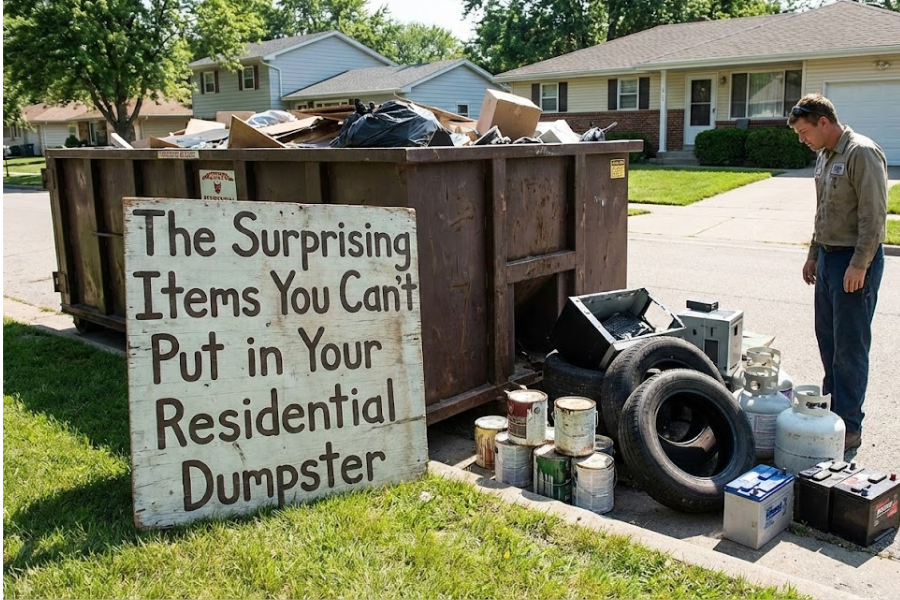
Recyclables include paper, cardboard, plastics, glass, and metals. Organic materials encompass food waste and yard debris. Hazardous materials cover chemicals, batteries, and certain electronics. Bulk items involve furniture, equipment, and large-scale debris.
Each category needs different handling. Mixing them increases costs and reduces recycling effectiveness.
Identify Reduction Opportunities
Before improving disposal, reduce generation.
Can packaging be minimized? Are reusable containers feasible? Do processes create unnecessary waste? Can materials be repurposed internally?
The best waste is the waste never created.
Choosing Commercial Waste Solutions That Fit
Match Container Size to Volume
Too small means constant overflow. Too large wastes money on empty space, leading to unnecessary costs. One of the common waste management mistakes in Buda, TX is failing to choose the right container size. Measure your actual needs, factor in seasonal fluctuations, and account for growth projections.
Measure your actual needs. Factor in seasonal fluctuations. Account for growth projections.
Most providers offer 2-yard, 4-yard, 6-yard, and 8-yard containers. Pick based on real data, not guesswork.
Determine Collection Frequency
Daily pickup works for high-volume operations. Weekly service suits moderate generators. Bi-weekly collection handles light producers.
Match frequency to fill rate. Don’t pay for pickups you don’t need. Don’t let bins overflow because service is too infrequent.
Consider Specialized Services
Standard collection doesn’t cover everything.
Grease trap cleaning serves restaurants. Medical waste disposal handles healthcare facilities. E-waste recycling manages electronics. Document shredding protects confidential information.
Identify specialized needs early. Finding providers later creates gaps in coverage.
Implementing Effective Disposal Systems
Strategic Placement Drives Compliance
Put containers where waste generates. Expecting people to walk across a parking lot guarantees littering.
High-traffic areas need more capacity. Back-of-house locations work for restaurants. Loading docks serve retail operations. Central courtyards benefit multi-tenant properties.
Make proper disposal the easiest option.
Clear Signage Prevents Contamination
Labels matter. A lot.
Color-code bins by type. Use pictures, not just words. Post lists of acceptable items. Display examples of what doesn’t belong.
Confusion leads to contamination. Contamination kills recycling programs and increases costs.
Establish Maintenance Protocols
Bins need regular cleaning. Lids require repairs. Areas surrounding containers demand periodic pressure washing.
Neglected waste stations attract pests and create health violations. They also discourage proper use.
Schedule maintenance. Follow through consistently.
Maximizing Recycling and Diversion
Set Realistic Participation Goals
Jumping from zero to 50% diversion overnight fails. People need time to adapt.
Start with easily recyclable materials. Expand gradually as habits form. Celebrate milestones publicly.
Progress beats perfection every time.
Partner With Local Programs
Many communities offer incentives for businesses that divert waste from landfills.
Tax credits reward recycling participation. Grants fund equipment upgrades. Recognition programs boost reputation.
Research what’s available in your area. Take advantage of every opportunity.
Track and Report Progress
Measuring proves program effectiveness.
Monthly tonnage reports show trends. Cost comparisons reveal savings. Diversion rates demonstrate environmental impact.
Share results with stakeholders. Transparency builds support for continued investment.
Navigating Regulations and Compliance
Know Municipal Requirements
Every jurisdiction has rules. Waste management in Buda, TX follows specific guidelines for commercial operations.
Permitted container placement matters. Collection time restrictions apply. Recycling mandates may exist. Hazardous material handling requires licenses.
Call local authorities. Get requirements in writing. Stay updated on changes.
Maintain Required Documentation
Manifests track hazardous waste. Receipts prove proper disposal. Permits authorize specific activities.
Missing paperwork creates liability. Audits happen without warning.
Organize records systematically. Keep them accessible and current.
Prepare for Inspections
Health departments check restaurants, while environmental agencies monitor industries and code enforcement patrols communities. To maintain high standards, local businesses often rely on reliable waste solutions, such as an Austin dumpster rental, to manage debris efficiently.
Clean facilities pass easily. Well-documented programs demonstrate compliance. Trained staff answer questions confidently.
Don’t wait for inspection notices. Stay ready always.
Building Sustainable Long-Term Systems
Effective commercial waste programs grow with your operation. Review them regularly, adjust to changing waste patterns, and stay aligned with updated regulations. Flexibility keeps your system efficient and relevant.
Your waste practices also shape community impact and customer perception. Strong sustainability efforts attract eco-conscious customers and strengthen your reputation. Train staff well so everyone understands the purpose behind proper disposal, true compliance comes naturally when people see the value in their actions.
Build your program thoughtfully, maintain it consistently, and keep improving. That’s how businesses and communities thrive in Buda, TX and beyond.
Ready to upgrade your waste management? Partner with Austin Dumpsters for reliable, affordable, and hassle-free commercial solutions that grow with your business. Contact us today to get started.
Frequently Asked Questions
Can we reduce costs without cutting service?
Absolutely. Increasing recycling lowers disposal fees. Right-sizing containers eliminates waste. Optimizing pickup frequency removes unnecessary charges.
What happens if we exceed container capacity?
Extra pickups incur additional fees. Overflow creates health and safety violations. Upgrading container size or increasing frequency usually costs less than overage charges.
Do we need separate contracts for recycling?
Some providers bundle services. Others require distinct agreements. Ask about comprehensive packages that cover all waste streams.